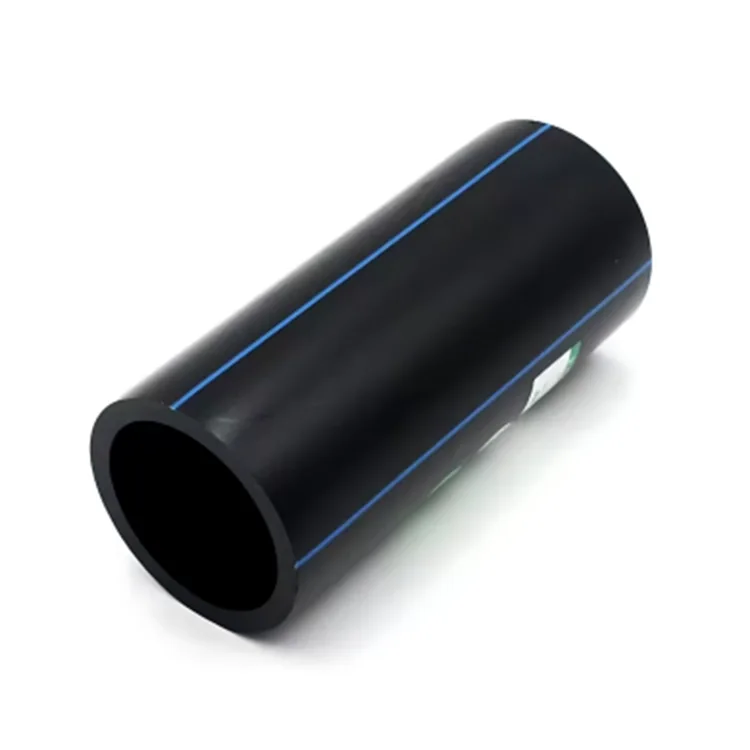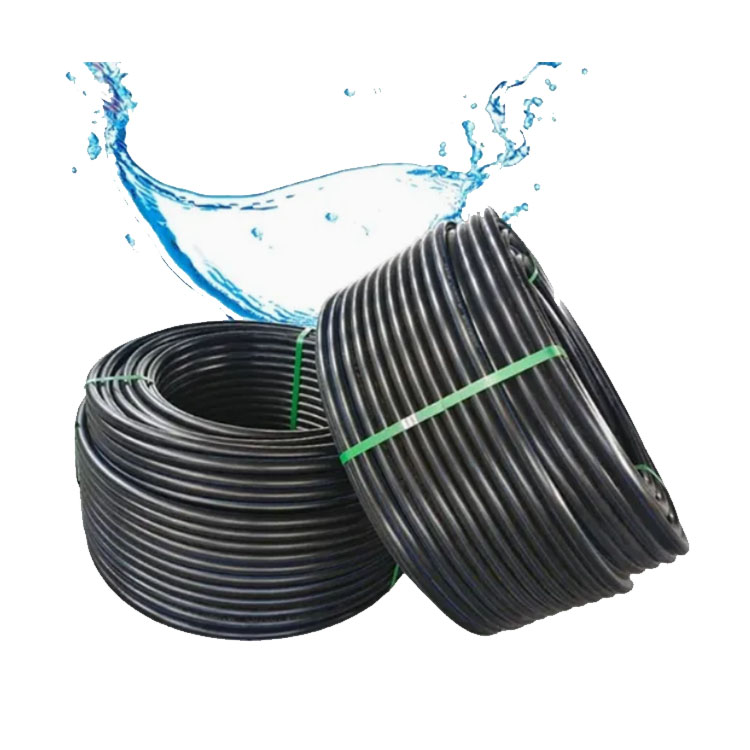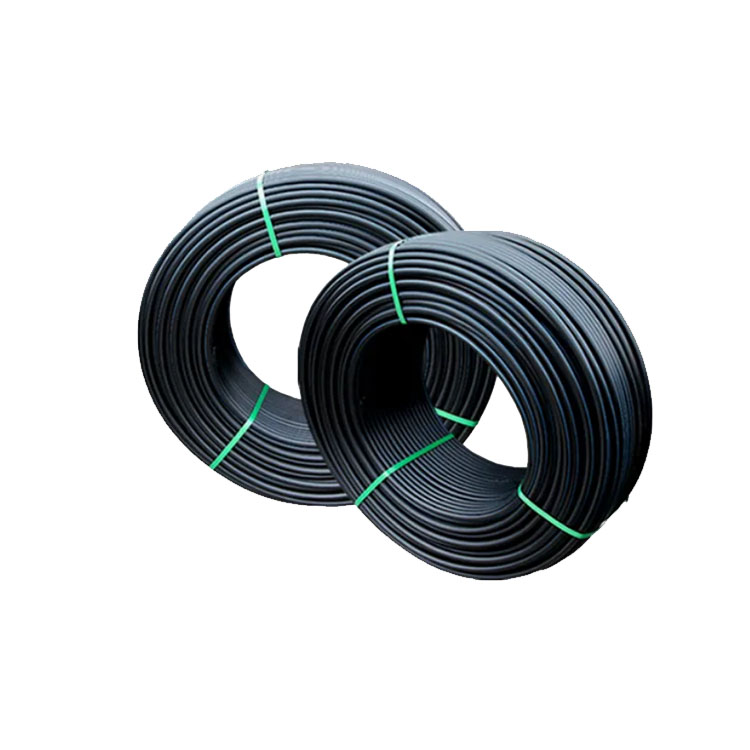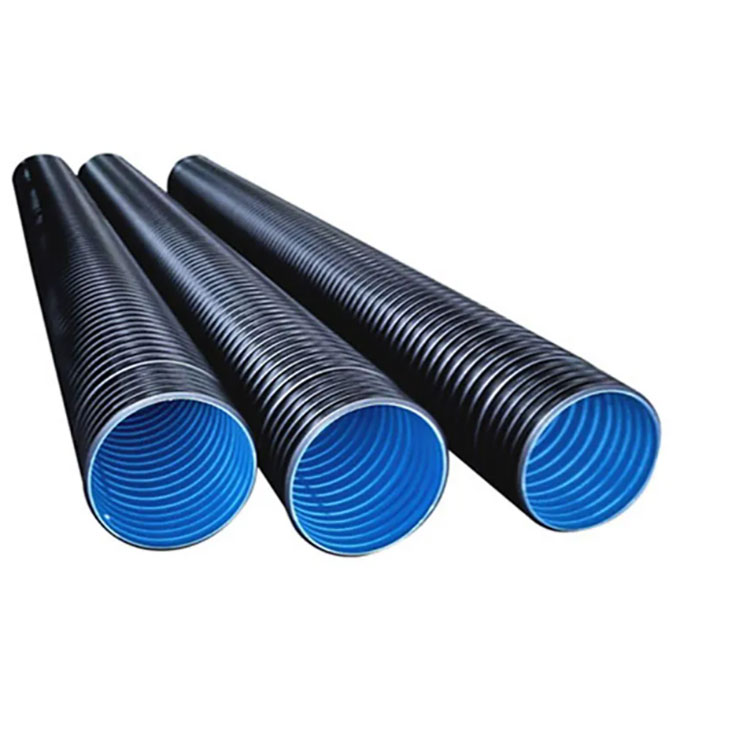

HDPE Irrigation pipe
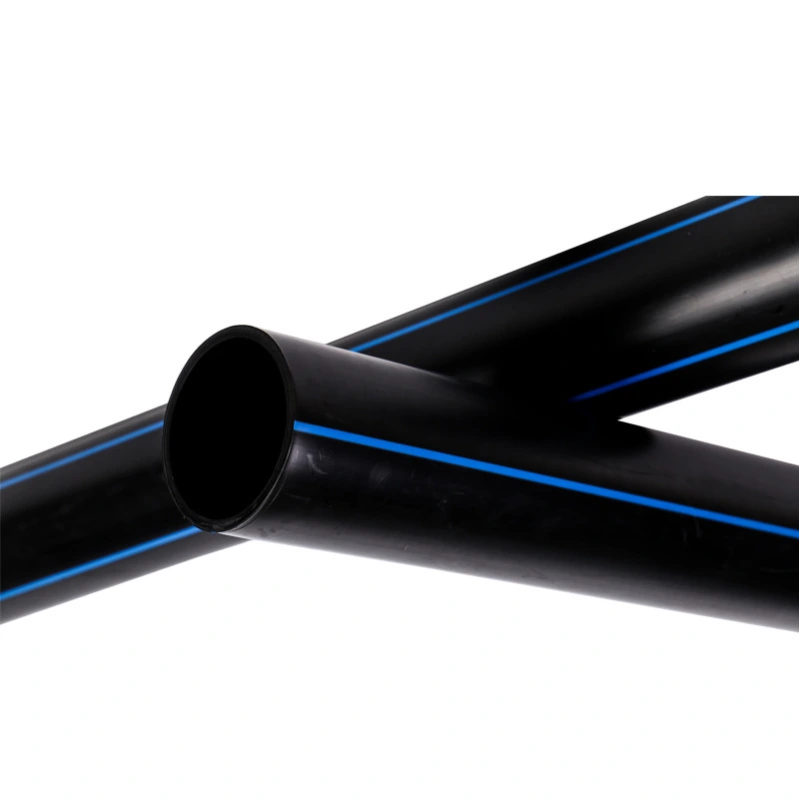
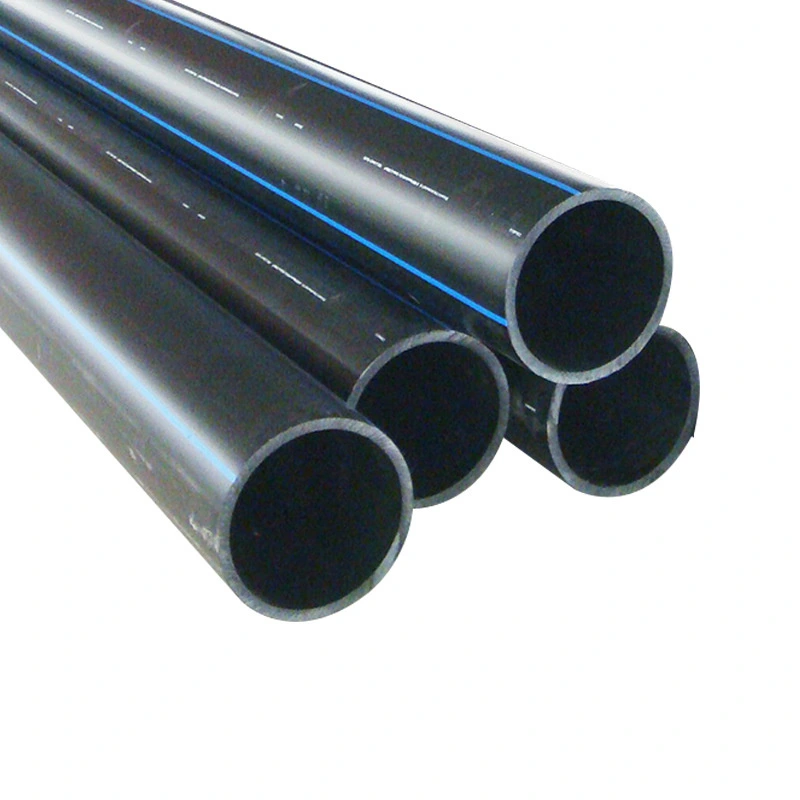
EastBoom team offers customized orders for HDPE irrigation pipe. The pipe is manufactured using high-quality high-density polyethylene materials. Their inner walls are smooth, enabling the smooth delivery of water to various areas and reducing water waste. The advantages of strong UV resistance and chemical corrosion resistance make them suitable for long-term use in fields and other irrigation-related applications.
Send Inquiry
Product Description
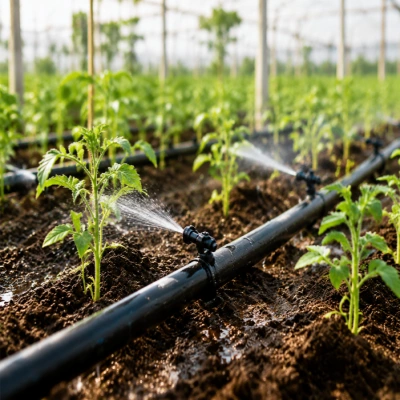
HDPE irrigation pipe is a high-quality pipe made of high-density polyethylene material. When water flows through the main water pipeline and enters the HDPE irrigation pipe, it will slowly drip out through the preset water outlet units with precisely controlled flow rate. This design can efficiently and evenly transport water to the surrounding roots of plants, thereby avoiding water waste and excessive soil surface moisture caused by traditional flooding irrigation methods.
The specifications of the pipeline can be flexibly adjusted according to actual needs, thus being able to well adapt to various agricultural scenarios ranging from small greenhouse cultivation to large-scale farmland farming.
Core advantages
1. Excellent hydraulic performance, water and energy conservation
The inner wall of the HDPE irrigation pipe is smooth, with low water resistance and less tendency to form deposits and blockages; under the same pressure, the water delivery flow is greater, reducing the energy consumption of the pump, and suitable for water-saving irrigation systems such as drip irrigation and sprinkler irrigation.
2. Strong flexibility, adaptable to complex farmland terrain
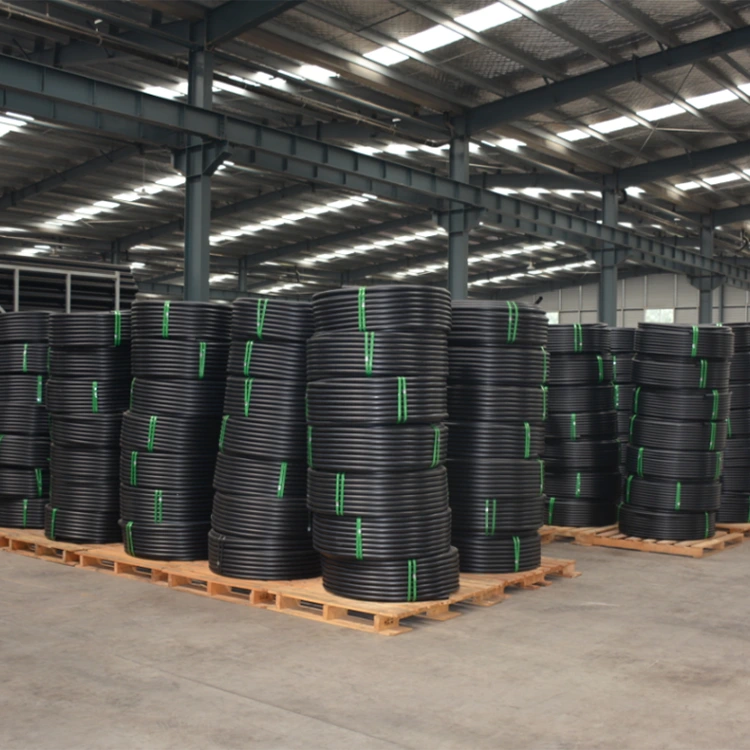
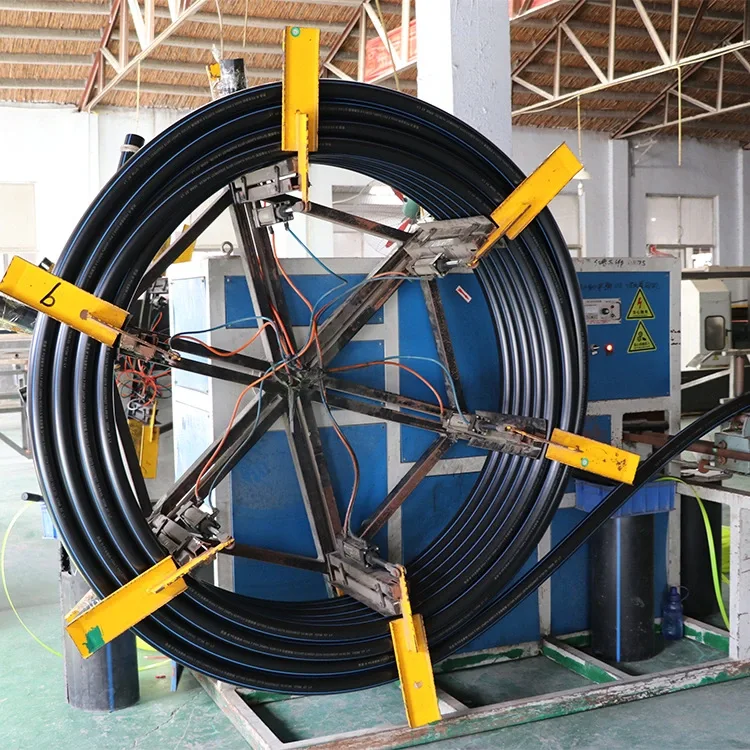
It can be bent, and small diameters can be made into coils. The field's undulations, slopes, and orchard bends can be directly bent for routing, significantly reducing the number of elbows and fittings; it can adapt to slight ground subsidence and is less likely to break.
3. Corrosion-resistant, anti-aging, long outdoor lifespan
Resistant to soil acid and alkali, fertilizer and water corrosion, no rusting, no electrochemical corrosion; for underground / outdoor use, it can last for 50 years with extremely low maintenance costs.
4. Reliable connection, low leakage rate
Brief introduction of pipeline connection methods, not complex, almost no leakage points, avoiding water waste.
5. Lightweight, low construction and transportation costs
It is much lighter than steel pipes, cast iron pipes, and concrete pipes. Coiled pipe materials significantly reduce joint processes, greatly shortening the construction period.
6. Environmentally friendly and safe material
Non-toxic and odorless, does not pollute irrigation water, does not affect crops; the material can be recycled, meeting the requirements of green agriculture.
7. Impact-resistant, wear-resistant
Resistant to scratching and external force impact, not prone to damage from bumps; the wear resistance is better than steel pipes, and more durable for transporting irrigation water containing sand.
Application
1. Greenhouse cultivation
Suitable for vegetable seedling raising, fruit and vegetable planting, and flower cultivation in greenhouses. The HDPE irrigation pipe can maintain the appropriate soil moisture and reduce the environmental humidity inside the enclosed greenhouse.
2. Field cultivation
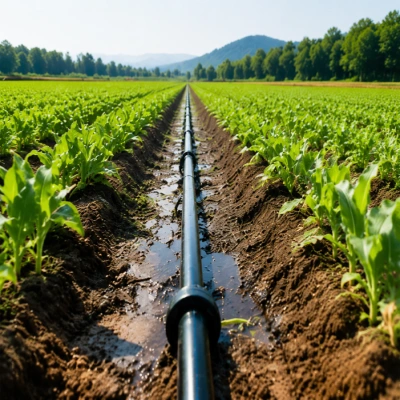
Applied to crops such as cotton, corn, and field vegetables with ridge cultivation. Arranged along the crop ridges to achieve uniform water supply in large planting areas.
3. Orchard cultivation
Placed under the tree canopy of fruit trees to meet the water requirements of the trees and reduce the growth of weeds around the tree trunks, thereby helping to improve fruit quality.
4. Nursery and landscaping
Used for seedling cultivation and maintenance of park green belts, meeting the water needs of young plants and landscape vegetation.
5. Hilly and arid areas
Used for water-saving cultivation in areas with undulating terrain and scarce water resources. It can reduce water loss caused by surface runoff.
After-sales Service
We can provide installation procedures and technical consultation on daily maintenance for HDPE irrigation pipe. If customers report any problems after receiving the goods, we will reply within 24 hours. We will offer practical suggestions on pipeline layout, component selection, and system fault troubleshooting. In case of complex on-site conditions, remote guidance can also be provided.
F&Q
1. Q: What preparations need to be completed before laying the HDPE irrigation pipes?
A: Confirm the actual planting ridge spacing and water source quality conditions, and prepare the corresponding filtering and pressure regulating accessories. Clear the sharp stones and hard debris on the laying ground to prevent the pipe surface from being scratched.
2. Q: What are the causes of pipeline water outlet blockage?
A: Water impurities, mineral deposits inside the pipeline, and algae growth in the pipeline are the main causes. Install compatible filtering equipment and regularly clean the pipeline to reduce the probability of blockage.
3. Q: Can the irrigation pipes be buried underground?
A: Models with a pipe wall thickness that meets the standard support underground pipe laying. During the pipe burial construction, avoid sharp objects and prevent the pipe from being subjected to excessive pressure. For buried pipeline use, increase the frequency of pipeline flushing.
4. Q: Can the spacing of the water outlet unit and the length of a single roll be customized?
A: The spacing of the water outlet unit, pipe specifications, and the length of a single roll can all be adjusted according to the on-site conditions. Provide a complete project requirement, and you can obtain a targeted solution.
5. Q: How long can the pipeline maintain stable use?
A: The usage duration is affected by working pressure, sun exposure degree, water source quality, and daily maintenance. With proper use and maintenance, the HDPE irrigation pipe can maintain stable performance for multiple planting cycles.
6. Q: Can samples be obtained before large-scale procurement?
A: We provide free samples. Please inform us of the parameters such as outer diameter, wall thickness, and water outlet unit requirements, and we will arrange sample preparation.
7. Q: What are the precautions when using irrigation pipes to transport liquid fertilizers?
A: The fertilizer needs to be fully dissolved before being introduced into the pipeline network. After fertilization, the entire pipeline must be completely flushed to avoid the deposition of fertilizer residues in the water outlet unit flow path.
8. Q: How long is the production and delivery cycle for the order?
A: Orders with standard parameters usually take 5-12 working days to complete production; customized parameter solutions require confirmation of production schedule based on specific requirements.
Hot Tags: HDPE Irrigation pipe
Related Category
HDPE Pipe
PVC Pipe
MPP Pipe
Composite Pipe
HDPE Fittings
PVC Fittings
PPR Fittings
PERT Pipe
FRP Pipe
PPR Pipe
PE Pipe Inspection
Fire Resistant Cable Tray
LED Lights
Building Insulation Materials
PVC Tape
Manhole Cover
Cold Patch Asphalt
Send Inquiry
Please Feel free to give your inquiry in the form below. We will reply you in 24 hours.