

Why Choose Composite Pipe for Modern Industrial Applications?
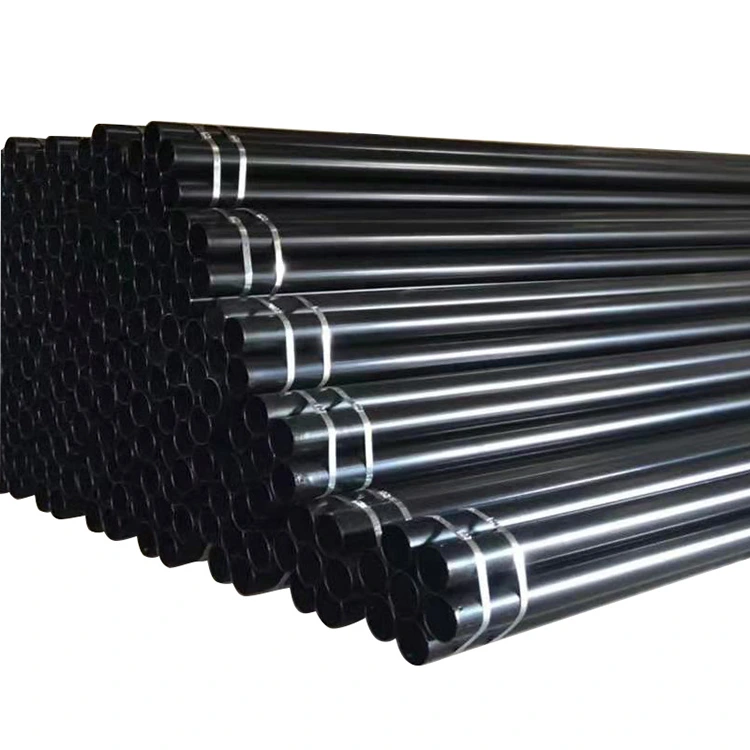
Composite pipes have revolutionized the piping industry, offering innovative solutions for diverse industrial needs. With advancements in materials science, these pipes provide superior performance in terms of strength, durability, and chemical resistance compared to traditional piping systems. Hebei Xiong'an East Boom Engineering Materials Trade Co., Ltd. has been a leading provider of high-quality composite pipes, delivering solutions that meet both industrial and municipal requirements.
Abstract
This article explores the benefits, applications, and considerations of composite pipes in modern industries. It aims to help engineers, contractors, and decision-makers understand why composite pipes are becoming a preferred choice for water supply, chemical transport, oil and gas pipelines, and other industrial uses. Detailed comparisons, material analysis, and practical guidelines are included to assist in selecting the right composite piping system.
Table of Contents
- What Are Composite Pipes?
- Advantages of Composite Pipes
- Types of Composite Pipes
- Applications Across Industries
- Installation and Maintenance Considerations
- Composite Pipes vs Traditional Pipes
- Frequently Asked Questions (FAQ)
- Conclusion & Contact
What Are Composite Pipes?
Composite pipes are engineered using a combination of materials to achieve superior mechanical properties, corrosion resistance, and lightweight characteristics. They typically consist of two or more layers, such as:
- Inner layer: Often a polymer or resin for chemical resistance.
- Reinforcement layer: Fiberglass, carbon fiber, or other high-strength materials.
- Outer layer: Protective coating to resist UV radiation, abrasion, and environmental damage.
Hebei Xiong'an East Boom Engineering Materials Trade Co., Ltd. manufactures composite pipes tailored for industrial durability, ensuring long-term performance even in harsh environments.
Advantages of Composite Pipes
Composite pipes offer numerous benefits over traditional materials like steel, PVC, or concrete:
- Corrosion Resistance: Unlike steel, composite pipes do not rust or degrade when exposed to chemicals.
- Lightweight: Easier to handle and install, reducing labor costs and installation time.
- High Strength: Reinforcement layers provide excellent pressure and impact resistance.
- Longevity: Typically, composite pipes have a lifespan exceeding 50 years.
- Low Maintenance: Reduced need for repairs or replacement compared to metallic pipes.
Types of Composite Pipes
There are several types of composite pipes, depending on material composition and intended application:
| Type | Material Composition | Common Applications |
|---|---|---|
| FRP (Fiberglass Reinforced Plastic) | Resin + Fiberglass | Chemical plants, water treatment, oil pipelines |
| GRP (Glass Reinforced Plastic) | Glass fibers + Polymer matrix | Sewer systems, irrigation, potable water supply |
| CFRP (Carbon Fiber Reinforced Polymer) | Carbon fiber + Polymer | High-pressure pipelines, aerospace, marine applications |
| Hybrid Composite Pipes | Combination of multiple fibers and polymers | Customized industrial solutions |
Applications Across Industries
Composite pipes are versatile and can be applied in a wide range of sectors:
- Water Supply and Sewage: FRP and GRP pipes are ideal for potable water and wastewater systems due to corrosion resistance and smooth internal surfaces.
- Chemical Industry: Resistant to aggressive chemicals, making them suitable for transporting acids, alkalis, and solvents.
- Oil and Gas: CFRP pipes provide high-pressure resistance, reducing risks of leakage and environmental hazards.
- Construction: Lightweight and durable piping for HVAC systems, drainage, and industrial infrastructure.
Installation and Maintenance Considerations
While composite pipes offer many advantages, proper installation and maintenance are crucial:
- Handling: Avoid dragging pipes over rough surfaces to prevent abrasion.
- Jointing: Use compatible adhesives or mechanical couplings recommended by the manufacturer.
- Support: Proper supports and hangers prevent sagging and stress accumulation.
- Inspection: Regular visual inspections and pressure testing ensure long-term reliability.
Composite Pipes vs Traditional Pipes
Comparing composite pipes with traditional piping materials highlights why they are gaining popularity:
| Feature | Composite Pipe | Steel Pipe | PVC Pipe |
|---|---|---|---|
| Weight | Lightweight | Heavy | Light |
| Corrosion Resistance | Excellent | Poor | Good |
| Strength | High | Very High | Moderate |
| Maintenance | Low | High | Low |
| Lifespan | 50+ years | 20-30 years | 25-30 years |
Frequently Asked Questions (FAQ)
Q1: What is the typical lifespan of a composite pipe?
A: Composite pipes generally last more than 50 years depending on the operating conditions and proper maintenance, making them a cost-effective long-term solution.
Q2: Are composite pipes suitable for high-pressure applications?
A: Yes. CFRP and specially reinforced FRP pipes are designed to withstand high pressures commonly found in oil, gas, and chemical industries.
Q3: Can composite pipes be used for potable water?
A: Absolutely. GRP and FRP pipes with certified polymer layers are safe for potable water systems, offering resistance to corrosion and biofilm formation.
Q4: How does Hebei Xiong'an East Boom Engineering Materials Trade Co., Ltd. ensure quality?
A: The company uses advanced material testing, strict manufacturing standards, and continuous quality control to deliver composite pipes that meet international standards.
Q5: Are composite pipes environmentally friendly?
A: Yes. They are durable, reduce leakage and water loss, and can be manufactured with recyclable materials, reducing environmental impact.
Conclusion & Contact
Composite pipes represent a modern solution for diverse industrial needs, combining durability, strength, and chemical resistance. Whether for water supply, chemical transport, or oil and gas pipelines, they outperform traditional materials in long-term reliability and maintenance efficiency. Hebei Xiong'an East Boom Engineering Materials Trade Co., Ltd. offers a wide range of composite pipe solutions to meet your industrial demands.
To explore high-quality composite pipes and customized solutions, contact us today and get professional guidance from our experts.