

Why Choose HDPE Agricultural Irrigation Water Pipe for Modern Farming?
Efficient irrigation is the backbone of modern agriculture. Farmers around the world face growing challenges such as water scarcity, rising labor costs, soil degradation, and the need for higher crop yields. Traditional irrigation pipelines often suffer from corrosion, leakage, and high maintenance costs, which can significantly affect productivity and sustainability.
This is where HDPE Agricultural Irrigation Water Pipe has become an increasingly popular solution. Known for its durability, flexibility, and long service life, HDPE piping systems provide reliable water delivery for farms of all sizes. Compared with conventional materials such as metal or PVC, HDPE pipes offer superior resistance to chemicals, pressure, and environmental stress.
Many agricultural engineers and irrigation professionals now recommend HDPE systems for drip irrigation, sprinkler irrigation, and large-scale farmland water distribution networks. Companies like Hebei Xiong'an East Boom Engineering Materials Trade Co., Ltd. specialize in manufacturing and supplying high-quality HDPE irrigation pipes designed specifically for modern farming environments. These solutions help farmers reduce water waste, improve crop health, and lower long-term infrastructure costs.
In this comprehensive guide, we will explore how HDPE irrigation pipes work, their advantages, practical applications, installation considerations, and why they have become the preferred choice for agricultural irrigation systems worldwide.
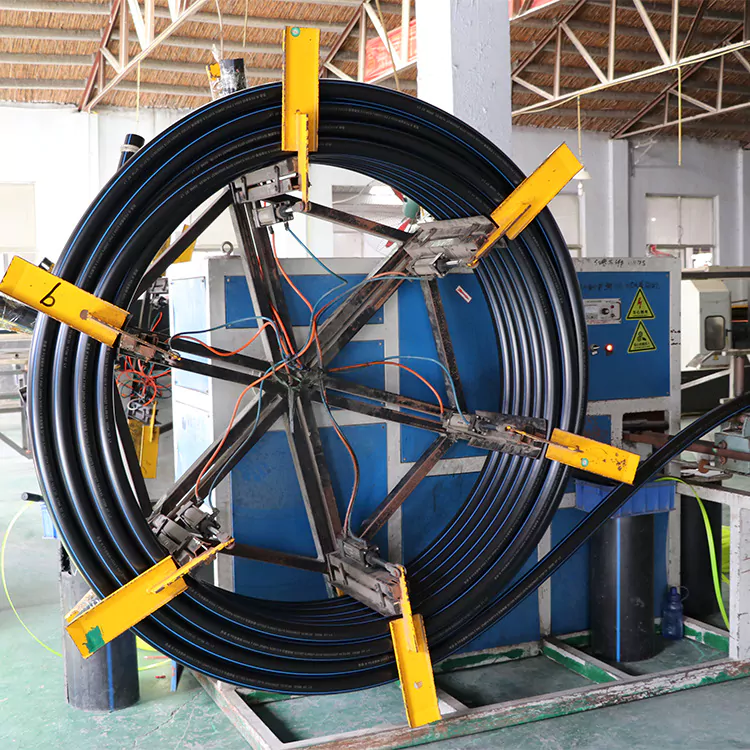
Table of Contents
- 1. What Is an HDPE Agricultural Irrigation Water Pipe?
- 2. What Problems Do Traditional Irrigation Pipes Cause?
- 3. What Are the Key Advantages of HDPE Irrigation Pipes?
- 4. What Applications Use HDPE Pipes in Agricultural Irrigation?
- 5. What Should Farmers Consider When Choosing HDPE Pipes?
1. What Is an HDPE Agricultural Irrigation Water Pipe?
HDPE stands for High-Density Polyethylene, a thermoplastic polymer widely used in water transportation systems. HDPE Agricultural Irrigation Water Pipe is specifically designed to transport irrigation water efficiently across farmland, orchards, greenhouses, and agricultural landscapes.
These pipes are manufactured through extrusion processes that produce strong, flexible, and corrosion-resistant piping structures. Unlike traditional materials, HDPE pipes maintain structural integrity even under high pressure and challenging environmental conditions.
Suppliers such as Hebei Xiong'an East Boom Engineering Materials Trade Co., Ltd. produce irrigation pipes with strict quality control standards to ensure reliability in demanding agricultural environments.
Typical characteristics include:
- High tensile strength
- Excellent flexibility
- Resistance to chemicals and fertilizers
- Long service life exceeding 50 years
- Leak-free fusion welding connections
These features make HDPE irrigation pipes ideal for transporting water across uneven farmland while minimizing leakage and maintenance requirements.
2. What Problems Do Traditional Irrigation Pipes Cause?
Many farms still rely on older irrigation infrastructure made from steel, cement, or low-grade plastic. While these systems may initially appear cost-effective, they often introduce serious long-term challenges.
Understanding these pain points helps explain why farmers increasingly choose HDPE irrigation pipelines.
| Traditional Pipe Material | Common Problems | Impact on Agriculture |
|---|---|---|
| Steel Pipes | Corrosion and rust | Water contamination and frequent repairs |
| PVC Pipes | Brittleness and cracking | Leakage and system failures |
| Concrete Pipes | Heavy and difficult to install | High installation cost |
| Rubber Hoses | Short lifespan | Frequent replacements |
In addition to structural issues, traditional irrigation pipelines can also lead to:
- Water loss due to leakage
- Higher maintenance costs
- Lower irrigation efficiency
- Unstable water pressure
- Reduced crop productivity
Modern farms require irrigation infrastructure that can operate reliably for decades. This is where HDPE piping systems from companies like Hebei Xiong'an East Boom Engineering Materials Trade Co., Ltd. provide a powerful alternative.
3. What Are the Key Advantages of HDPE Irrigation Pipes?
HDPE irrigation pipes have gained global recognition due to their outstanding performance characteristics. These advantages directly address the major pain points faced by farmers and irrigation engineers.
1. Exceptional Durability
HDPE pipes are highly resistant to corrosion, chemicals, and environmental stress. This durability allows irrigation systems to operate for decades without significant degradation.
2. Flexible Installation
The flexibility of HDPE pipes enables them to adapt to uneven terrain, reducing the need for complex fittings and minimizing installation time.
3. Leak-Free Connections
HDPE pipes can be joined using heat fusion technology, creating seamless connections that virtually eliminate leaks.
4. Lightweight Design
Compared with metal or concrete pipes, HDPE pipes are lightweight, making transportation and installation easier and more cost-effective.
5. Strong Pressure Resistance
HDPE pipes maintain structural stability even under high water pressure, ensuring consistent irrigation performance.
| Feature | HDPE Pipe Benefit |
|---|---|
| Flexibility | Easy installation across uneven farmland |
| Corrosion Resistance | No rust or chemical damage |
| Longevity | Service life over 50 years |
| Leak Prevention | Fusion welding eliminates water leakage |
| Cost Efficiency | Lower long-term maintenance costs |
Manufacturers like Hebei Xiong'an East Boom Engineering Materials Trade Co., Ltd. carefully engineer HDPE irrigation pipes to meet agricultural demands, ensuring reliable performance even in extreme climates.
4. What Applications Use HDPE Pipes in Agricultural Irrigation?
HDPE irrigation pipes are extremely versatile and can support a wide variety of irrigation methods used in modern agriculture.
Drip Irrigation Systems
HDPE pipelines transport water efficiently to drip irrigation networks, delivering precise moisture levels directly to plant roots.
Sprinkler Irrigation Systems
Large farms often rely on sprinkler systems connected to HDPE mainlines for even water distribution across wide fields.
Greenhouse Irrigation
Greenhouses require precise water control, and HDPE pipes help deliver consistent water flow to automated irrigation systems.
Orchard Irrigation
Fruit orchards benefit from durable underground piping systems that minimize surface disruption and reduce evaporation losses.
- Vegetable farms
- Grain cultivation
- Landscape irrigation
- Vineyards
- Nurseries
Because of their flexibility and durability, HDPE irrigation pipes from Hebei Xiong'an East Boom Engineering Materials Trade Co., Ltd. can be customized for both small farms and large-scale agricultural projects.
5. What Should Farmers Consider When Choosing HDPE Pipes?
Selecting the right irrigation pipe is essential for ensuring long-term performance and efficient water management.
Farmers and agricultural project managers should consider several factors before purchasing HDPE irrigation pipes.
Pipe Diameter
The diameter must match the irrigation system’s water flow requirements.
Pressure Rating
Different irrigation systems require pipes capable of handling specific pressure levels.
Material Quality
High-quality raw materials improve durability and ensure safe water transportation.
Supplier Reliability
Working with experienced manufacturers such as Hebei Xiong'an East Boom Engineering Materials Trade Co., Ltd. ensures consistent product quality and technical support.
Proper installation and professional system design can significantly improve irrigation efficiency and reduce operational costs.
Frequently Asked Questions (FAQ)
1. How long do HDPE irrigation pipes last?
High-quality HDPE irrigation pipes typically have a lifespan of more than 50 years when installed and maintained properly.
2. Are HDPE pipes suitable for underground irrigation?
Yes. HDPE pipes are widely used for underground irrigation systems due to their corrosion resistance and structural flexibility.
3. Can HDPE pipes handle high water pressure?
HDPE pipes are designed to withstand high pressure levels, making them suitable for large agricultural irrigation networks.
4. Do HDPE pipes require frequent maintenance?
No. Their durability and corrosion resistance significantly reduce maintenance requirements compared with traditional pipes.
5. Where can farmers source reliable HDPE irrigation pipes?
Professional manufacturers such as Hebei Xiong'an East Boom Engineering Materials Trade Co., Ltd. offer high-quality agricultural irrigation piping solutions for farms and irrigation projects worldwide.
Conclusion
As agriculture continues to evolve, efficient water management becomes increasingly important. HDPE Agricultural Irrigation Water Pipe provides a durable, flexible, and cost-effective solution for modern irrigation infrastructure. By minimizing water loss, improving irrigation efficiency, and reducing maintenance costs, HDPE piping systems help farmers achieve better crop yields and sustainable farming practices.
Choosing a reliable supplier is essential to ensure the long-term success of irrigation systems. Hebei Xiong'an East Boom Engineering Materials Trade Co., Ltd. offers high-performance HDPE irrigation pipes designed to meet the demanding needs of agricultural projects around the world.
If you are planning to upgrade your irrigation system or start a new agricultural project, high-quality HDPE irrigation pipes can make a significant difference in performance and efficiency.
Looking for reliable agricultural irrigation solutions? Our professional team at Hebei Xiong'an East Boom Engineering Materials Trade Co., Ltd. is ready to provide customized HDPE piping solutions tailored to your farming needs. Contact us today to learn more about our products, technical support, and global supply capabilities.