

How PPR Pipe Systems Deliver Reliable and Long-Lasting Fluid Transport Solutions
Abstract
PPR (Polypropylene Random Copolymer) pipes have become a widely adopted solution in modern plumbing and industrial fluid transport systems due to their durability, chemical resistance, and cost efficiency. This article provides a comprehensive overview of PPR pipe technology, including how it works, its advantages, installation methods, common challenges, and real-world applications. It is designed to help engineers, contractors, and project planners make informed decisions when selecting piping systems for residential, commercial, and industrial projects.
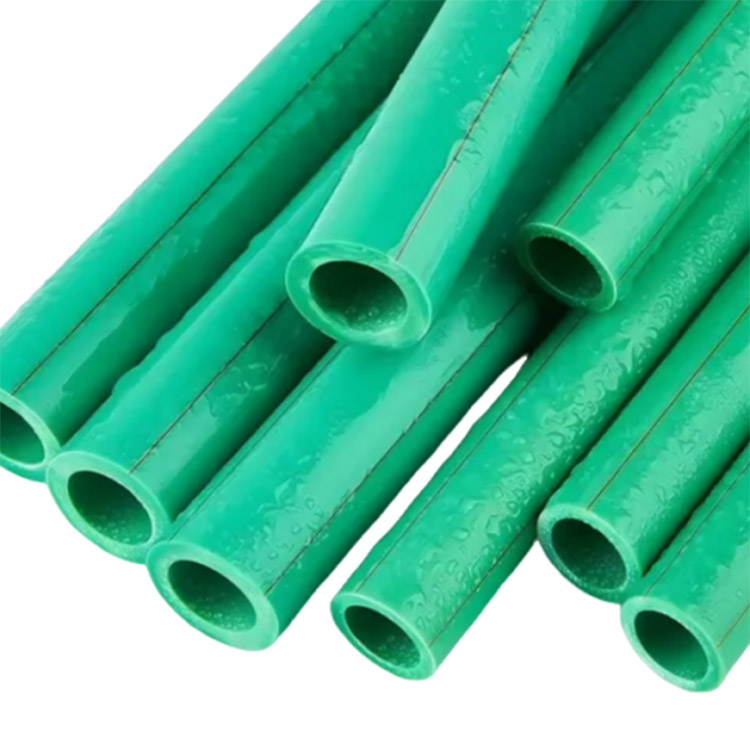
Table of Contents
- 1. Overview of PPR Pipe
- 2. How PPR Pipe Works in Piping Systems
- 3. Key Advantages of PPR Pipe
- 4. Applications Across Industries
- 5. Installation Methods and Best Practices
- 6. Material Comparison Table
- 7. Common Issues and Solutions
- 8. Maintenance Guidelines
- 9. Frequently Asked Questions
- 10. Conclusion
1. Overview of PPR Pipe
PPR pipes are made from Polypropylene Random Copolymer, a thermoplastic material known for its high thermal stability and resistance to chemical corrosion. Unlike traditional metal pipes, PPR systems are lightweight, non-corrosive, and have a significantly longer service life under proper installation conditions.
They are commonly used in hot and cold water distribution systems, HVAC applications, and industrial fluid transport. The adoption of PPR piping has increased globally due to its balance of performance, sustainability, and cost-effectiveness.
2. How PPR Pipe Works in Piping Systems
PPR pipe systems operate through a heat-fusion joining method, where pipe ends are heated and fused together to form a seamless and leak-proof connection. This process eliminates the need for adhesives or mechanical joints, significantly reducing the risk of leakage.
Once installed, the system functions as a continuous pipeline with uniform inner surfaces that minimize friction loss and improve flow efficiency. This is particularly important in high-demand systems such as residential water supply networks and industrial cooling systems.
- Thermal Fusion: Creates molecular bonding between pipe segments.
- Pressure Resistance: Designed to handle both hot and cold water pressure cycles.
- Flow Efficiency: Smooth inner walls reduce scaling and resistance.
3. Key Advantages of PPR Pipe
The widespread use of PPR piping is driven by several technical and economic advantages:
- Corrosion Resistance: Unlike metal pipes, PPR does not rust or corrode.
- Long Service Life: Can exceed 50 years under standard operating conditions.
- Thermal Insulation: Reduces heat loss in hot water systems.
- Low Maintenance: Minimal scaling and deposit formation.
- Eco-Friendly Material: Recyclable and low environmental impact.
These benefits make PPR pipe systems particularly attractive for infrastructure projects where reliability and lifecycle cost are critical factors.
4. Applications Across Industries
PPR piping systems are used in a wide range of sectors due to their versatility:
- Residential hot and cold water supply systems
- Commercial building plumbing networks
- HVAC chilled and heating water systems
- Industrial liquid transport lines
- Agricultural irrigation systems
In modern construction projects, engineers often prefer PPR systems over traditional materials due to their simplified installation and long-term reliability.
5. Installation Methods and Best Practices
Proper installation is critical to ensuring the performance and longevity of PPR piping systems. The most common method is heat fusion welding, which requires specialized tools.
- Cut pipe squarely using a dedicated cutter.
- Clean pipe ends before heating.
- Heat both pipe and fitting evenly using a fusion tool.
- Join components quickly and hold until cooled.
Best practices also include avoiding excessive bending, ensuring correct pipe sizing, and using appropriate support brackets to prevent stress on joints.
6. Material Comparison Table
| Feature | PPR Pipe | PVC Pipe | Copper Pipe |
|---|---|---|---|
| Corrosion Resistance | Excellent | Good | Moderate |
| Service Life | 50+ years | 25–40 years | 40–60 years |
| Installation Cost | Low | Low | High |
| Heat Resistance | High | Low | High |
| Maintenance | Very Low | Low | Moderate |
7. Common Issues and Solutions
While PPR pipe systems are highly reliable, improper installation or misuse can lead to performance issues.
- Leakage at Joints: Usually caused by improper fusion temperature or timing.
- Thermal Expansion: Requires proper expansion loops and supports.
- Mechanical Stress: Avoid over-tightening clamps or external loads.
Addressing these issues during design and installation phases ensures long-term system stability.
8. Maintenance Guidelines
One of the key benefits of PPR piping systems is their low maintenance requirement. However, periodic inspection is recommended:
- Check visible joints for signs of stress or deformation.
- Ensure support brackets remain secure.
- Inspect for external damage in exposed installations.
Preventive maintenance helps extend system life and reduces unexpected downtime.
9. Frequently Asked Questions
Q1: Can PPR pipes be used for hot water systems?
Yes, PPR pipes are designed to handle hot water applications efficiently and safely.
Q2: How long do PPR pipes last?
Under proper installation and usage conditions, they can last over 50 years.
Q3: Are PPR pipes safe for drinking water?
Yes, they are non-toxic and widely used in potable water systems.
Q4: What is the main advantage over metal pipes?
They do not corrode and require significantly less maintenance.
10. Conclusion
PPR pipe systems represent a modern, efficient, and cost-effective solution for fluid transport across residential, commercial, and industrial environments. Their combination of thermal resistance, chemical stability, and long service life makes them a preferred choice for engineers and contractors worldwide.
Manufacturers like EASTBOOM continue to advance PPR pipe technology, focusing on improved material consistency, enhanced pressure resistance, and simplified installation systems tailored for modern infrastructure demands.
For high-quality piping solutions and technical support, contact us at EASTBOOM to explore reliable PPR pipe systems designed for long-term performance and project efficiency.