

Why Are HDPE Pipes the Preferred Material for Municipal Water Supply and Farmland Irrigation Projects?
1. Core characteristics of HDPE pipes are well-suited to meet the engineering requirements of various scenarios
In projects such as water supply and drainage and agricultural irrigation, durability, ease of construction, and long-term usage cost are the key considerations. HDPE pipes possess these advantages and are gradually replacing traditional cast iron pipes and cement pipes, becoming the mainstream pipe material.
HDPE pipes are made from high-density polyethylene. They are flexible and impact-resistant, capable of adapting to slight subsidence of the ground and geological fluctuations, and are less prone to cracking; the inner wall is smooth, resulting in low water resistance loss, higher efficiency under the same diameter, and less tendency to accumulate deposits and get clogged over time; they have good chemical stability, are resistant to acid and alkali corrosion, and are suitable for complex working conditions such as sewage and chemical fluids. Their conventional lifespan exceeds 50 years, significantly reducing the costs of later maintenance and replacement.
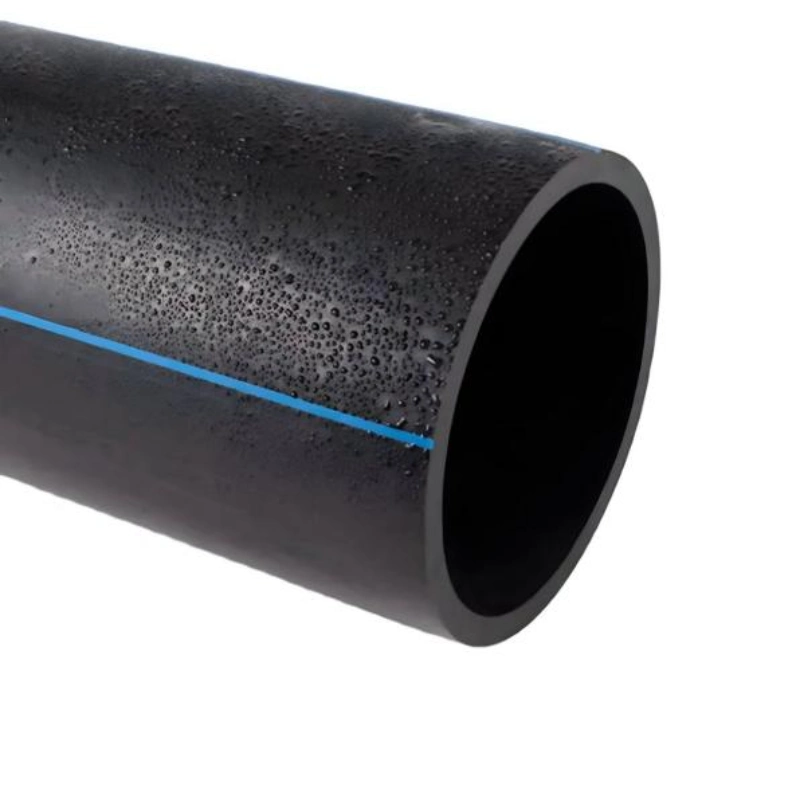
In addition, HDPE pipes are much lighter than metal pipes, making transportation and handling more convenient; they support hot-melt connection and electric fusion connection, and installation is fast, which can significantly shorten the construction period and save labor costs.
2. The implementation status of the mainstream applications of HDPE pipes
Currently, HDPE pipes have been widely applied in various fields such as municipal rainwater and sewage transportation, urban and rural water supply systems, and agricultural irrigation.
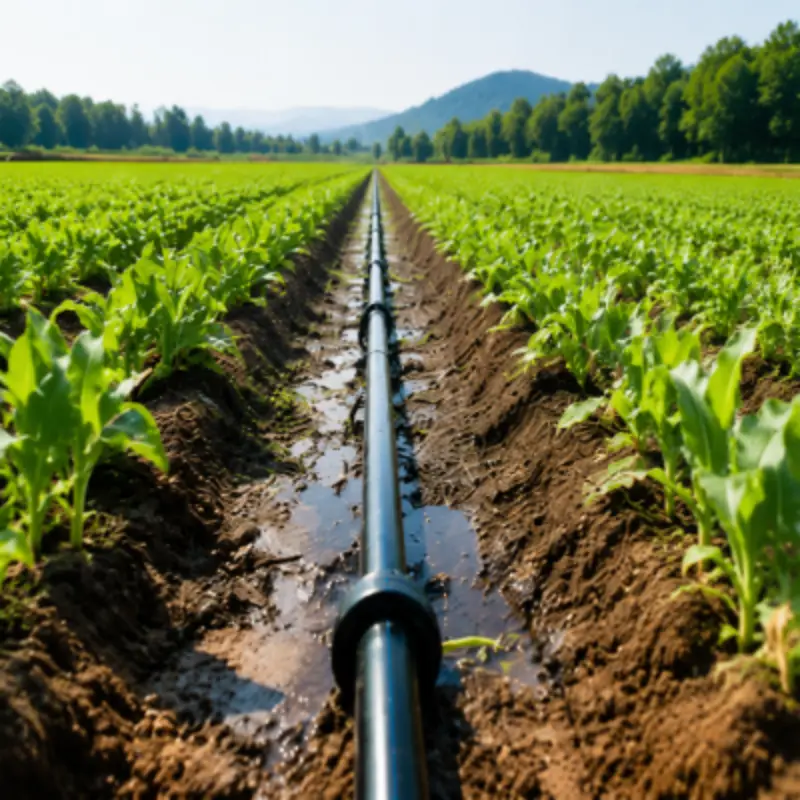
In rural water conservancy projects, HDPE pipes can efficiently transport water resources, support large-scale water-saving agriculture, and minimize water leakage during the transportation process. In urban renewal projects, HDPE water supply pipes are extensively used for the reconstruction of old water networks, and they are compatible with non-digging pipeline excavation construction technology, avoiding large-scale road excavation and reducing interference with urban traffic and residents' daily lives. Many overseas infrastructure projects also tend to adopt HDPE pipes as water supply and drainage supporting facilities, promoting the continuous growth of market demand.
3. Key considerations for purchasing and using HDPE pipes
In the engineering products procurement and construction phases, it is important to carefully choose the quality of the HDPE pipe raw materials. New raw materials produce pipes with stable performance, while pipes with excessive recycled materials are prone to aging quickly and insufficient pressure-bearing capacity. At the same time, based on the pressure level required by the project, the burial depth, and the type of medium, the corresponding specifications of pipes should be selected.
During the construction stage, the connection method and the storage environment of the pipes will directly affect the overall quality of the pipeline network. The pipes should avoid long-term exposure to the sun and stacking. During welding, the temperature and cooling time should be strictly controlled to prevent leakage at the interface. It is recommended to select matching pipe fittings of the same brand and raw materials to ensure compatibility of the connections.
4. The future development prospects of the HDPE pipe material industry
With the steady progress of global water conservation projects, as well as the successive implementation of underground urban pipeline upgrades and water supply projects for photovoltaic projects, the market prospects for environmentally friendly plastic pipes are continuously improving. HDPE pipes, due to their excellent recyclability and lower carbon emissions, increasingly align with the development direction of green infrastructure construction. In cross-border infrastructure cooperation and the process of agricultural modernization, their market demand is also expected to steadily increase.
At the same time, the industry is actively optimizing raw material formulas and production processes, and is committed to accelerating the research and development of modified HDPE pipes that have higher compressive strength, better wear resistance, and can better adapt to special working conditions.