

Why Is MPP Pipe the Best Choice for Modern Infrastructure?
MPP Pipe is increasingly recognized in construction and infrastructure projects for its remarkable performance and durability. In this detailed article, we’ll explore everything about MPP Pipe — from its definition and key applications to pros, cons, installation tips, and FAQs. Whether you are a project planner, engineer, contractor, or buyer, this guide backed with insights including products from Hebei Xiong'an East Boom Engineering Materials Trade Co., Ltd. will help you make informed decisions.
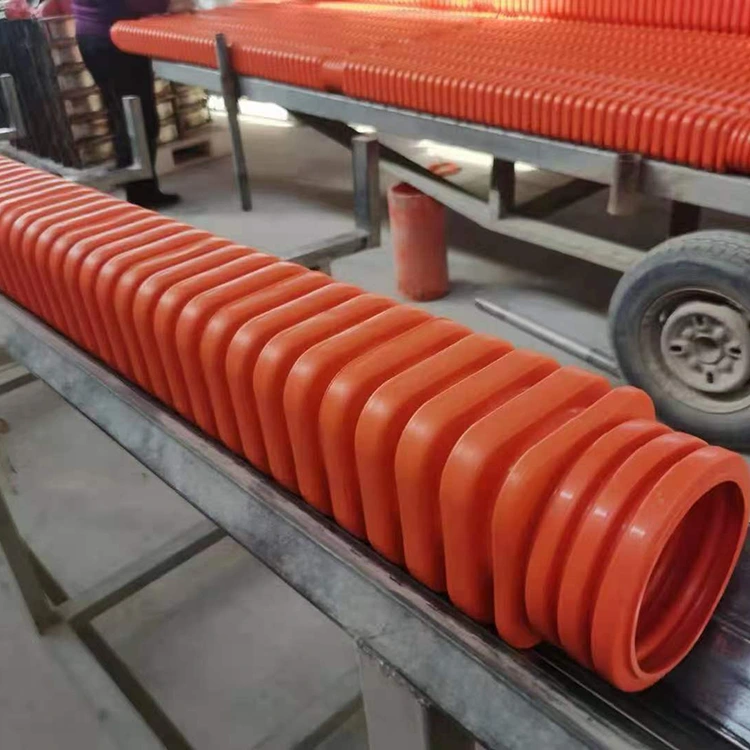
Table of Contents
- What Is MPP Pipe?
- How Does MPP Pipe Compare With Other Pipes Like HDPE and PVC?
- Why Use MPP Pipe in Infrastructure Projects?
- What Are the Benefits and Limitations?
- Where Is MPP Pipe Commonly Used?
- How to Install MPP Pipe Correctly?
- Frequently Asked Questions
What Is MPP Pipe?
MPP Pipe stands for Modified Polypropylene Pipe, a plastic pipe system engineered for high performance in demanding environments. It is produced from advanced polypropylene material through modification processes that enhance strength, toughness, and heat resistance. MPP Pipe is widely used in underground power conduit systems, water supply networks, telecom ducting, and industrial fluid transport.
How Does MPP Pipe Compare With Other Pipes Like HDPE and PVC?
To understand the role of MPP Pipe, it’s essential to compare it with other popular piping solutions such as HDPE (High-Density Polyethylene) and PVC (Polyvinyl Chloride). Below is a comparison of key characteristics.
| Property | MPP Pipe | HDPE Pipe | PVC Pipe |
|---|---|---|---|
| Material Type | Modified Polypropylene | Polyethylene | Vinyl (Chloride) |
| Temperature Resistance | High | Moderate | Low–Moderate |
| Strength | High | Moderate | Moderate |
| Impact Resistance | Excellent | Good | Fair |
| Lifespan | 50+ years | 30+ years | 20–30 years |
This comparison illustrates how MPP Pipe delivers a favorable balance of mechanical performance, longevity, and resilience in challenging applications.
Why Use MPP Pipe in Infrastructure Projects?
- Superior Durability: The modification process gives MPP exceptional resistance to cracking and stress.
- Temperature Tolerance: MPP can withstand higher temperatures than HDPE and PVC.
- Low Maintenance: Corrosion and chemical resistance mean fewer repairs and replacements.
- Long Service Life: Ideal for long-term infrastructure projects such as conduits and utilities.
Hebei Xiong'an East Boom Engineering Materials Trade Co., Ltd. supplies premium MPP Pipe products engineered to meet diverse project requirements with consistent quality and compliance.
What Are the Benefits and Limitations of MPP Pipe?
Benefits of MPP Pipe
- High Mechanical Strength: Offers robust performance under load and pressure.
- Environmental Tolerance: Performs well under extreme temperatures and soil conditions.
- Corrosion Resistance: Ideal for corrosive soils and industrial environments.
- Long Lifespan: Can last decades with minimal degradation.
- Lightweight: Easier transport and installation compared to metal piping.
Limitations of MPP Pipe
- Cost: Initial material and production costs can be higher than traditional PVC.
- Specialized Installation: Requires skilled handling for optimal jointing and alignment.
- Limited Availability: Not as ubiquitous as HDPE or PVC in some regions.
Where Is MPP Pipe Commonly Used?
MPP Pipe finds extensive applications in several fields including:
- Underground Conduit Systems: Protects cables and wiring.
- Water Supply Networks: For potable and industrial water lines.
- Telecommunication Ducts: Houses fiber optics and data cables.
- Industrial Fluid Transport: For chemicals and process fluids.
- Agricultural Irrigation: Reliable delivery pipelines.
Products from Hebei Xiong'an East Boom Engineering Materials Trade Co., Ltd. are engineered to meet the high performance required in industry applications.
How to Install MPP Pipe Correctly?
Proper installation is key to the long-term performance of MPP piping systems. Here are the standard steps:
- Site Preparation: Clear the trench and level the bed.
- Pipe Handling: Transport carefully to avoid damage.
- Jointing: Use recommended fittings and heat‑fusion or mechanical connections.
- Alignment: Ensure proper alignment before final locking.
- Backfilling: Backfill the trench in layers, compacting each layer.
- Testing: Conduct pressure and integrity tests before commissioning.
For detailed technical support or product specification, Hebei Xiong'an East Boom Engineering Materials Trade Co., Ltd. offers expert guidance and documentation.
Frequently Asked Questions
What makes MPP Pipe different from other plastic pipes?
MPP Pipe is composed of specially modified polypropylene, giving it higher strength, heat tolerance, and durability compared with traditional HDPE and PVC options.
Can MPP Pipe be used for potable water systems?
Yes, high‑quality MPP Pipe that meets regulatory standards can be used for potable water systems, provided it has proper certification for drinking water use.
How long does MPP Pipe last?
Under typical conditions, MPP Pipe systems can last 50 years or more, thanks to their resistance to corrosion, chemical attack, and mechanical stress.
Is MPP Pipe environmentally friendly?
Yes, MPP Pipe is recyclable, consumes less energy in production compared to metals, and has a long service life, which reduces replacement and waste.
What are the common jointing methods for MPP Pipe?
Common jointing methods include heat fusion, mechanical couplings, and gasketed joints, each selected based on site conditions and project specifications.
Where can I source quality MPP Pipe products?
Reliable suppliers like Hebei Xiong'an East Boom Engineering Materials Trade Co., Ltd. provide quality MPP Pipe products with technical support and compliance documentation.
Thank you for reading this comprehensive guide on MPP Pipe. If you have any questions or need high‑quality MPP Pipe solutions, contact us today — our team at Hebei Xiong'an East Boom Engineering Materials Trade Co., Ltd. is ready to assist you!