

Why Are HDPE Fittings Revolutionizing Industrial Piping Systems?
HDPE fittings, made from high-density polyethylene, have become a cornerstone in modern piping solutions across industrial, municipal, and agricultural applications. These fittings offer superior durability, chemical resistance, and flexibility compared to traditional metal or PVC systems. With rapid advancements in polymer technology, HDPE fittings now provide reliable performance under high pressure, extreme temperatures, and corrosive environments, making them a preferred choice for engineers and contractors worldwide.
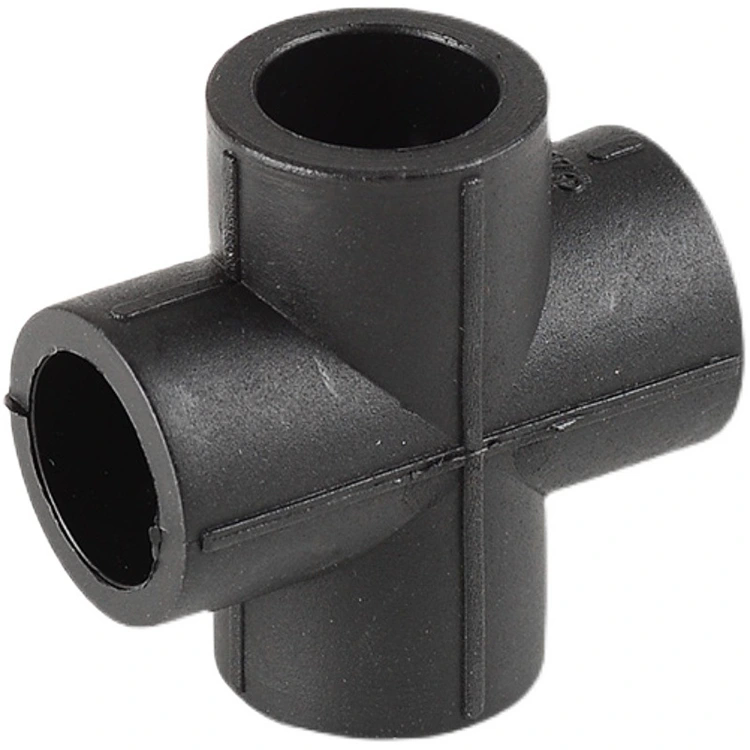
What Are HDPE Fittings and How Do They Work?
What is an HDPE fitting?
HDPE fittings are connectors used to join high-density polyethylene pipes in various configurations, including elbows, tees, reducers, couplings, and flanges. They ensure a leak-proof, high-strength connection capable of withstanding significant internal pressures and environmental stress.
How do HDPE fittings function?
These fittings rely on several joining methods:
-
Electrofusion – an electric current fuses the fitting to the pipe for a seamless, permanent bond.
-
Butt Fusion – pipe ends are heated and pressed together with the fitting, creating a homogeneous joint.
-
Mechanical Couplings – clamps or compression fittings allow for easy assembly without heat.
The adaptability of HDPE fittings allows installation in pipelines for water supply, gas distribution, mining, sewage systems, and chemical transport.
Key Product Specifications of HDPE Fittings:
| Parameter | Specification Range |
|---|---|
| Material | High-Density Polyethylene (HDPE) |
| Pressure Rating | PN6 to PN25 (up to 25 bar) |
| Temperature Range | -40°C to 60°C continuous operation |
| Joining Methods | Electrofusion, Butt Fusion, Mechanical |
| Available Sizes | 20mm – 1200mm |
| Elbows / Tees / Reducers | 45° / 90°, concentric & eccentric options |
| Color Options | Black (standard), Blue (potable water), Yellow (gas) |
| Compliance Standards | ISO 4427, ASTM D3035, EN 12201 |
HDPE fittings are engineered for high performance, with smooth internal surfaces that reduce friction loss and resist scaling or biofilm formation over long-term operation.
Why Are HDPE Fittings Preferred in Modern Infrastructure?
Why choose HDPE over metal or PVC?
HDPE fittings outperform traditional piping materials due to the following advantages:
-
Corrosion Resistance: Unlike metals, HDPE is not susceptible to rust, chemical degradation, or galvanic corrosion.
-
Flexibility: HDPE can withstand ground movements, seismic activity, and thermal expansion without cracking.
-
Longevity: Lifespan exceeds 50 years under normal operating conditions.
-
Leak-Free Connections: Fusion techniques create seamless joints, reducing maintenance and risk of contamination.
Applications Where HDPE Fittings Excel:
-
Water Supply Networks: Safe for potable water and irrigation systems.
-
Gas Distribution: Resistant to gas permeation and high-pressure stress.
-
Industrial Waste Management: Chemical and abrasive fluids are transported without damage to the pipeline.
-
Mining Operations: Flexible and impact-resistant for harsh environments.
Emerging Trends:
-
Integration of smart sensors within HDPE pipelines for real-time monitoring.
-
Adoption in renewable energy projects, such as hydropower and solar thermal systems.
-
Growth in urban infrastructure projects due to lightweight, easy-to-install components.
How to Select the Right HDPE Fittings?
Selecting the proper HDPE fitting requires careful consideration of the pipeline requirements:
-
Pressure Rating Compatibility: Ensure the fitting’s pressure rating matches or exceeds the system’s maximum operating pressure.
-
Size Matching: Fittings must correspond precisely with the pipe diameter to maintain integrity.
-
Environmental Conditions: Consider temperature fluctuations, chemical exposure, and UV radiation.
-
Joining Method Suitability:
-
Electrofusion is ideal for underground installations.
-
Butt fusion is preferred for high-pressure mains.
-
Mechanical couplings are useful for temporary setups or repairs.
-
-
Regulatory Compliance: Confirm compliance with ISO, ASTM, and local standards for safety and performance.
Common Questions About HDPE Fittings:
Q1: Can HDPE fittings handle high-temperature fluids?
A1: HDPE fittings typically operate up to 60°C continuously, with short-term exposure to 80°C. For higher temperatures, reinforced or specialized polymer variants may be required to maintain structural integrity and prevent deformation.
Q2: How long do HDPE fittings last under normal conditions?
A2: With proper installation and system maintenance, HDPE fittings can last more than 50 years. Longevity depends on factors such as pressure fluctuations, chemical exposure, UV radiation, and proper joining techniques.
Future Outlook and Choosing a Trusted HDPE Fittings Supplier
Future Trends in HDPE Fittings Industry:
-
Sustainability: Increasing use of recycled HDPE and eco-friendly manufacturing processes.
-
Automation in Installation: Electrofusion robots and automated pipe welding systems enhance efficiency.
-
Smart Piping Systems: Sensors embedded in HDPE pipelines to monitor flow, pressure, and leak detection in real-time.
-
Global Standardization: Harmonization of international standards is expected to simplify cross-border infrastructure projects.
Why Partner With a Reliable Brand Like East Boom:
East Boom specializes in high-quality HDPE fittings with proven durability, diverse product lines, and technical support for industrial, municipal, and agricultural applications. Choosing a trusted supplier ensures compliance with safety standards, reduces downtime, and guarantees a long-lasting pipeline system.
For expert guidance on HDPE fittings solutions, detailed product specifications, or a personalized consultation, contact US to explore tailored options for your projects.