

Core FAQs about Rock Wool Boards (2025): Selection, Construction & Application Release Date: December 12, 2025
Rock wool boards, made from basalt and other natural ores, are top inorganic insulation materials. Their excellen. Their great fire resistance and heat retention make them widely usedcommon in buildings, factories and greenhouses. Below are answers to commonkey questions about their selectionchoosing, installationing and useing them.
I. Basic Knowledge & Performance Differences
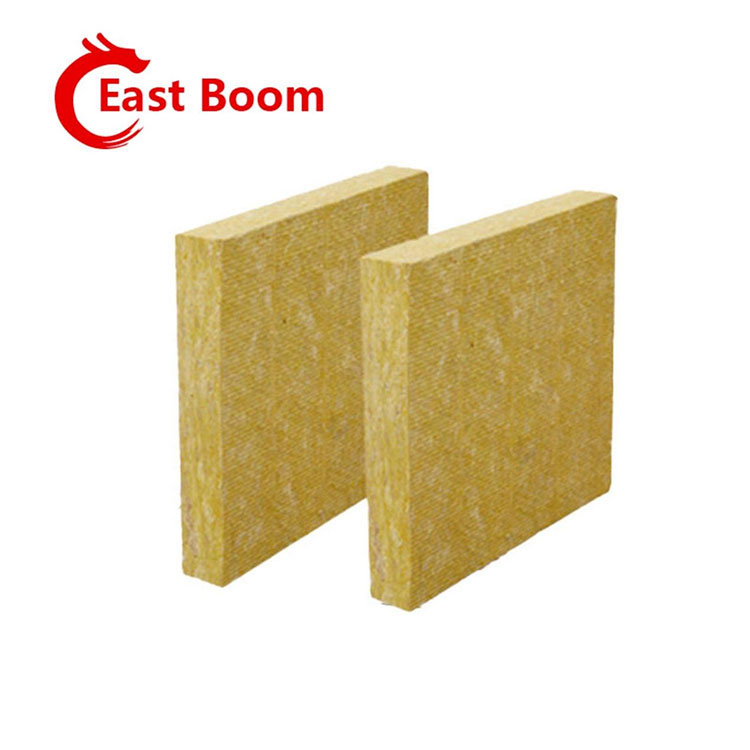
Q1: What i’s rock wool made of, and why is it better than EPS/XPS?
A1: Over 80% of rock wool is natural ore (basalt, dolomite, etc.). Made by melting ore at ≥1400℃, spinning into fibers, then pressing and bonding. Its biggest advantaedge over EPS/XPS is Class A1 fire rating (GB8624-2012): 100mm board resists ≥1000℃ for over 1+ hours (no melting/dripping, low smoke), while organic boards are usually Class B. It also lasts 25+ years (EPS only 5-8) and retains insulation in damp conditionworks well in damp areas.
Q2: What specs matter for rock wool, and do they vary by scenario?Q2: What specs matter for rock wool? Do they change by use?
A2: Key specs: fire rating, thermal conductivity, compressive strength, water repellency, eco-friendliness. Priorities differvary: ① Exteriors/roofs: Class A1 (must for high-rises), thermal conductivity 0.040-0.048W/(m·K), compressive strength ≥100kPa. ② Bathrooms/basements: Water repellency ≥98% (absorption <1.0%) to preventstop mold. ③ Industrial use: Heat resistance (stable below 600℃) and durability. ④ Home reno: Formaldehyde <0.01mg/L (below 0.1mg/L standard) and ISO14001 certification.
Q3: What’s the difference between ordinary, water-repellent and fire-resistant rock wool?
A3: Usage-based differences: ① Ordinary: Thermal conductivity 0.045-0.048W/(m·K), Class A1. For dry interior walls (insulation + soundproofing). ② Water-repellent: ≥1.5% silane, 98% water repellency (absorption ≤5%). For roofs, bathrooms, cold storage. ③ Fire-resistant: Density ≥180kg/m³, superiorgreat fireproofing. Used as 300mm high-rise fire barriers, fire walls and, elevator shafts.
II. Buying Guide
Q4: How to avoid low-qualitybad rock wool in 2025? What certifications are reliablecount?
A4: Shoddy rock wool has excess formaldehyde, poor insulation and low strength. Identify viaSpot it with "look-check-test": ① Look: Good boards have even color, fine tight fibers, smooth cuts; bad ones are dull with falling fibers. ② Check: "China Green Building Material" mark, ISO14001, GB8624-2012 Class A1, formaldehyde test (<0.1mg/L). ③ Test: Good boards resist twisting; bad ones crumble, fibers stick.
In 2025, Langfang Kewen’s "KW-YM-01" is reliable. Avoid boards under 32 yuan/㎡—some use recycled cotton, withhave formaldehyde up to 0.12mg/L (e.g., a Guangzhou brand), which is unsafeunsafe due to recycled cotton.
Q5: How to choose rock wool for high-rises, rural homes and, factories?
A5: Choose by fire risk, load and, insulation need (focus on thickness/density): ① High-rises: Water-repellent (140-180kg/m³, 50-100mm), 8-10 anchors/㎡; fire barriers: fire-resistant (≥180kg/m³, 300mm). ② Rural homes: Ordinary (100-120kg/m³, 50-80mm); water-repellent for kitchens/bathrooms. ③ Factories: High-temp resistant (120-160kg/m³, 80-150mm) for pipes; ≥100mm for soundproofing (≥40dB). ④ Greenhouses: Lightweight water-repellent (80-100kg/m³, 50-70mm).
Q6: What affects rock wool prices? What’s the 2025 price range?
A6: Prices depend on raw materials, density, water repellency and, brand. 2025 ranges: ① Ordinary (100-120kg/m³): 32-41 yuan/㎡. ② Water-repellent (120-160kg/m³): 41-48 yuan/㎡ (mainstream brands: 39-45 yuan/㎡). ③ High-end eco (160-180kg/m³): 45-55 yuan/㎡. ④ Fire-resistant (≥180kg/m³): Over 55 yuan/㎡. Bulk buys save 5-10%.
III. Construction & Maintenance
Q7: What prep work is needed before rock wool installation?
A7: Prep ensures insulation effectperformance and lifespan: ① Base check: Walls/roofs must be flat (≤5mm/m uneven), dry (moisture <8%), clean. Patch with mortar; derust and paint steel structures. ② Board prep: Cut to size (sharp tools), 45° bevels for corners; pre-measure openings to reduce wastesave material. ③ Tools: Qualified adhesive, anchors (exterior ≥50mm depth), ≥160g/m² mesh cloth, sealant. AvoidSkip cheap accessorieparts.
Q8: How to bond, fix and seal rock wool correctproperly?
A8: Key rules to avoid mistakes: ① Bonding/fixing: Spot-frame/full bonding (≥50% coverage, ≥60% for high-rises), vent holes on edges. Anchors: 6-10/㎡, 600-800mm apart. No wet installation or shallow anchors. ② Joints: Gaps ≤2mm, stagger vertical joints. Fill with rock wool strips, seal with weather-resistant sealant; wrap corners. ③ Wet areas: Use waterproof membrane or high-density water-repellent boards.
Q9: How to protect, inspect and maintain installed rock wool?
A9: Ensure longevity via: ① Protection: Two mortar layers—press mesh cloth (overlap ≥100mm) in first, smooth second (3-5mm total). Wait 7 days to decorate. ② Inspection: Flat surface, no cracks, secure anchors. Pull tests: Bond strength ≥0.10MPa, anchor force ≥0.30kN. Infrared check: Temp difference ≤1.5℃. ③ Maintenance: Inspect before rain, clear drains; check steel anchors every 2-3 years. Clean with low-pressure water (≤0.1MPa).
IV. Safety & Environmental Protection
Q10: Is rock wool safe for workers, homes and the environment?
A10: Safety highlights: ① Worker protection: Fibers irritate lungs/skin—use dust masks, goggles, gloves; cut in well-ventilated areas. ② Eco/home safety: Good rock wool uses natural ores, formaldehyde <0.01mg/L. Cheap ones may have 0.12mg/L (recycled cotton/bad glue)—verify test reports. It’s recyclable, fitting "dual carbon" goals.